
Car odor removal is a multi-stage interior decontamination process that physically extracts organic residue, neutralizes volatile odor molecules, and sanitizes cabin air pathways rather than masking smells with fragrance. Lasting odor elimination depends on matching specific chemistry—such as bio-enzymatic digesters, low-moisture steam, hot-water upholstery extraction, and controlled ozone oxidation—to the exact contaminant bonded inside automotive fabrics, foam, plastics, and HVAC ducts.
Drivers across Perryville, Jackson, Ste. Genevieve, and Cape Girardeau encounter four stubborn cabin smell categories: tobacco and vape film, pet dander and accidents, spoiled food or dairy spills, and musty mildew fueled by Southeast Missouri humidity. At Cloud 9 Tint Studio and Auto Spa’s auto detailing studio in Perryville, technicians diagnose where the odor source hides, flush embedded residue from porous surfaces, neutralize airborne compounds, and establish practical prevention habits that keep the interior smelling clean year-round.
Why Air Fresheners Fail and How Car Odors Bond to Cabin Surfaces
Air fresheners fail to eliminate vehicle odors because scented sprays, vent clips, and hanging trees coat nasal receptors temporarily while leaving the underlying bacteria, tar, or organic oil untouched inside cabin materials. Once the synthetic fragrance evaporates after a few days, the original smell returns—often mixed with stale perfume in a combination that feels heavier than the starting problem.
Modern vehicle interiors contain dozens of porous and semi-porous substrates that trap microscopic odor compounds at different depths. Understanding where molecules settle explains why a quick vacuum and dashboard wipe never solve a persistent smell:
- Woven cloth upholstery and open-cell seat foam: Liquid spills, sweat, and pet oils wick past the visible fabric face into polyurethane cushion foam, where household vacuum suction cannot reach.
- Tufted nylon carpet and jute sound-deadening backing: Melted snow, muddy shoes, coffee, and takeout liquids pool at the lowest point of the floor pan beneath the carpet weave, staying damp for days.
- Perforated leather, stitching seams, and seatbelts: Body oils, smoke particulates, and pet dander pack into needle perforations and polyester seatbelt webbing across every trip.
- Headliner fabric and sun visors: Warm smoke, vape aerosol, and cooking grease rise naturally and condense into the thin foam-backed headliner directly above the driver and passengers.
- HVAC evaporator cores and cabin filter housings: Condensation inside dark air-conditioning ducts breeds mildew spores that blow directly into the cabin whenever the A/C or defroster starts.
Southeast Missouri weather amplifies every one of those reservoirs. Summer afternoons in Perryville routinely turn a parked cabin into an oven, baking volatile organic compounds out of vinyl trim and seat foam, while muggy spring and autumn rain keeps floor mats damp long enough for bacteria to multiply. Effective remediation therefore starts by identifying the exact chemical nature of the smell before choosing a cleaning method.
How Different Cabin Odors Require Different Removal Chemistry
Successful odor remediation matches the chemical treatment directly to the molecular structure of the contaminant, because smoke tars, protein spills, pet uric acid, and fungal mildew react to completely different cleaning agents. Treating cigarette tar with a water-based enzyme or treating spoiled milk with a solvent degreaser leaves active odor compounds behind.
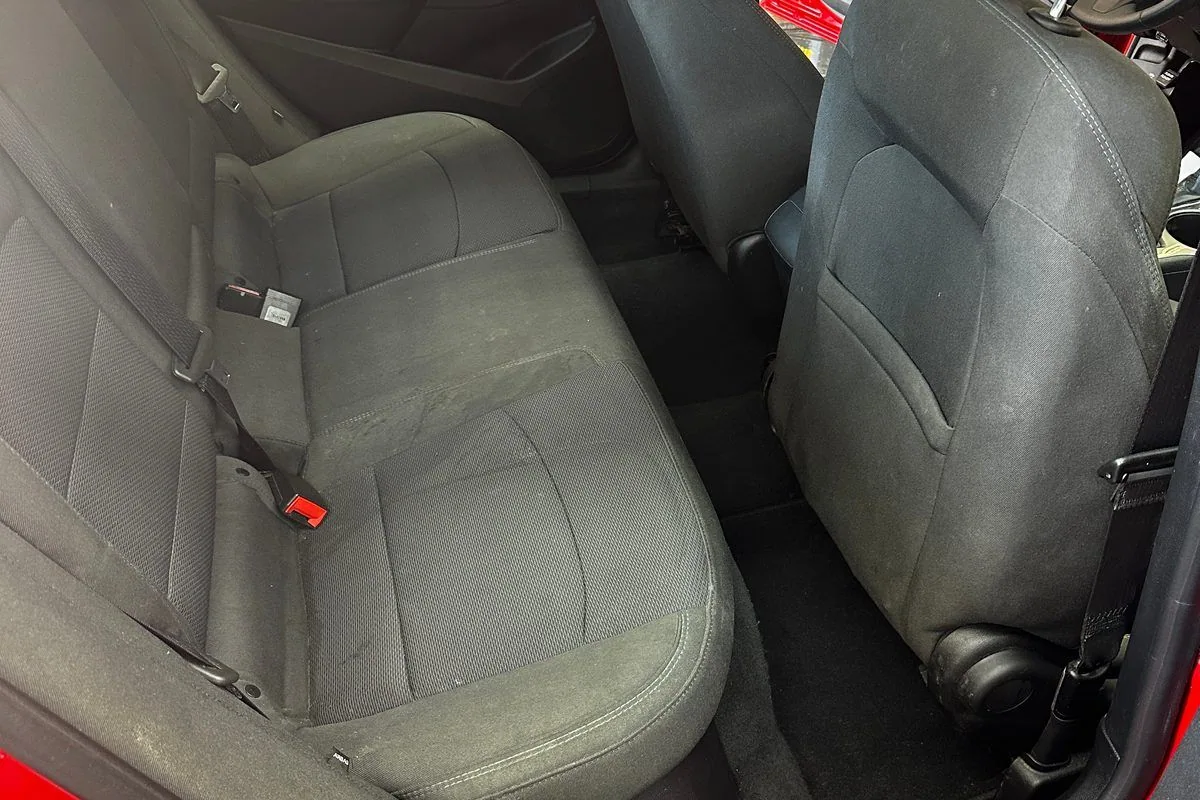
The comparison table below breaks down the four primary odor categories handled in professional detailing bays and why each demands a dedicated protocol.
| Odor Source | Primary Contaminant | Where It Hides Deepest | Effective Professional Treatment |
|---|---|---|---|
| Cigarette, Cigar, and Vape Smoke | Oily nicotine tar, resin film, and ultrafine combustion soot | Headliner fabric, interior glass, seatbelts, plastics, and HVAC ducts | Alkaline surfactant wipe-down, gentle headliner cleaning, glass stripping, cabin filter swap, and ozone shock |
| Pet Hair, Dander, and Urine | Sebaceous coat oils, trapped dander proteins, and uric acid crystals | Cargo carpet, rear cloth bench seams, seatbelt buckles, and foam padding | Mechanical hair removal, bio-enzymatic digestion, heated rinse extraction, and targeted odor oxidation |
| Spilled Milk, Coffee, and Food | Spoiling dairy proteins, sugars, fats, and bacterial fermentation gases | Floor pan carpet backing, under-seat tracks, and cupholder crevices | Enzymatic protein breakdown with dwell time, multi-pass hot-water extraction, and high-airflow drying |
| Musty Dampness and Mildew | Fungal spores, stagnant moisture, and microbial biofilm | Clogged sunroof drains, damp floor insulation, and A/C evaporator fins | Moisture leak check, antimicrobial interior steam cleaning, thorough dehumidification, and HVAC duct treatment |
Matching the cleaner directly to the molecule prevents wasted effort: oily tobacco and vape resins require alkaline surfactants across headliners, glass, and seatbelts before any deodorizer runs, whereas pet urine uric acid crystals and sour dairy proteins demand bio-enzymatic digestion with adequate dwell time before heated extraction. Musty mildew requires stopping the water intrusion—whether from wet winter boots or a clogged sunroof drain—before sanitizing carpets and A/C ducts.
The Five-Step Professional Car Odor Removal Process
Professional detailers remove entrenched cabin odors through a five-step sequence—source inspection, dry particulate removal, enzymatic or surfactant breakdown, heated extraction and steam sanitization, and gas-phase oxidation—executed in strict order.
Step 1: Cabin Inspection and Dry Soil Removal
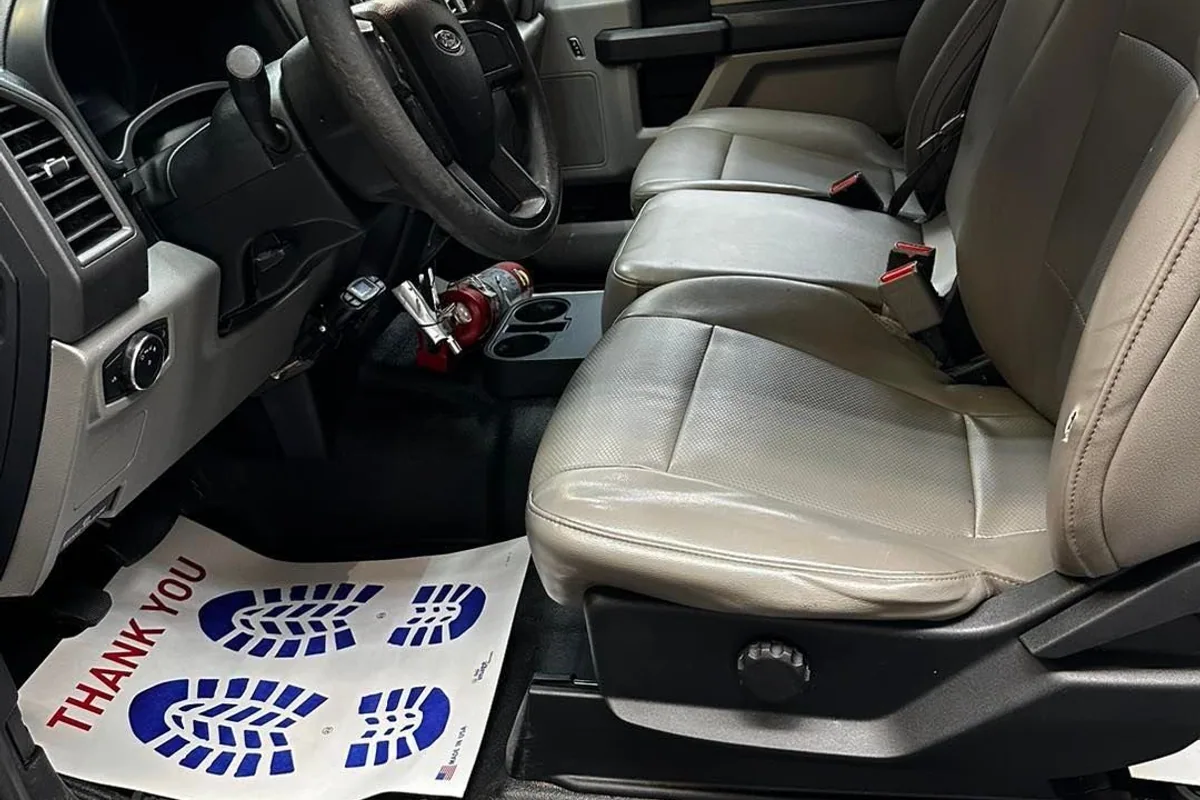
Source inspection locates hidden reservoirs beneath floor mats, along seat tracks, inside spare-tire wells, and around cabin air filters before moisture touches the interior. Technicians then use rubber pet-hair blades, compressed-air tools, and crevice vacuums to pull dry dust, crumbs, ash, and barbed dog hair out of upholstery seams so liquid cleaners never turn loose debris into mud.
Step 2: Targeted Enzymatic and Surfactant Pre-Treatment
Chemical pre-treatment breaks the bond between odor molecules and cabin materials during a controlled dwell period. Bio-enzymatic digesters convert proteins and uric acid salts into odorless byproducts inside carpets, while pH-balanced interior cleaners lift sticky smoke film off vinyl, leather, trim, and interior glass.
Step 3: Hot-Water Extraction, Headliner Care, and Steam
Heated water extraction flushes dissolved contaminants out of cloth seats and floor carpets into a recovery tank rather than spreading residue sideways. Technicians make slow, overlapping dry-pass strokes until recovery water runs clear, preventing wicking stains as fibers dry. Delicate foam-backed headliners receive low-moisture microfiber cleaning to protect ceiling adhesive, while high-temperature dry-vapor steam sanitizes cupholders, seatbelt webbing, console hinges, leather stitching perforations, and air-vent louvers without over-wetting cabin electronics.
Step 4: Forced Drying and Controlled Ozone Neutralization
High-airflow floor blowers remove residual dampness completely before Cloud 9 Tint Studio and Auto Spa runs a timed ozone odor treatment when severe smoke, pet, or mildew smells warrant gas-phase oxidation. Unstable O3 molecules circulate through every seam inside the closed, unoccupied cabin, oxidizing remaining airborne and surface-bound odor compounds on contact before technicians air out the interior thoroughly.
Step 5: HVAC Duct Sanitization and Cabin Filter Inspection
Every lasting odor detail finishes at the climate-control system, because untreated heater boxes and A/C evaporator fins re-contaminate clean upholstery the first time the blower fan runs. Technicians inspect the cabin air filter housing behind the glovebox, clear pine needles or leaf debris from exterior cowl drains, and cycle antimicrobial mist through fresh-air and recirculation modes so clean air flows from every dash register.
Realistic Limits and Preventing Odors in Missouri’s Climate
Honest odor detailing sets clear expectations up front. Multi-year chain-smoking inside a closed commuter car, standing floodwater soaked into jute floor insulation, gallon-sized dairy spills left in summer heat, or rural rodent nests packed inside wiper cowls occasionally require lifting sill plates, replacing saturated under-carpet padding, or scheduling a second staged oxidation cycle after trapped foam off-gasses.
When owners address odors before listing a vehicle, cabin smell is the very first test a buyer performs upon opening the door; see our guide on detailing your car before you sell it or trade it in for how interior freshness shapes walkaround impressions.

Five everyday habits keep a detailed cabin fresh across Perryville, Bloomsdale, and Fredericktown seasons:
- Blot fresh spills immediately: Press dry microfiber towels firmly onto liquid spills rather than scrubbing fluids deeper into seat foam.
- Run outside fan air before parking: Switching off A/C recirculation two minutes before shutting off the engine dries condensation off the evaporator core.
- Rinse all-weather mats regularly: Clear trapped winter slush and mud from beneath rubber floor liners.
- Use washable pet barriers: Shield perforated leather and cargo carpet from wet retriever coats and river mud.
- Replace the cabin air filter annually: Keep pollen, farm dust, and exhaust soot out of interior airflow.
Consistent moisture control and prompt blotting stop minor spills long before an ozone cycle becomes necessary.
Book Interior Detailing and Car Odor Removal in Perryville, MO
Whether you just bought a pre-owned truck with lingering cigarette smell, share your SUV with muddy family dogs, or dealt with a spilled drink that refuses to air out, Cloud 9 Tint Studio and Auto Spa builds the treatment around the actual source inside your cabin. Located at 111 S West St in Perryville, MO, our team pairs deep upholstery shampooing, pet hair extraction, steam sanitization, and targeted ozone odor treatment to restore clean, breathable interiors without heavy cover-up perfumes. Call 573-570-4470 or visit our Perryville contact page to talk through your vehicle’s interior condition and schedule an inspection.
Frequently Asked Questions
Does ozone treatment permanently remove cigarette smoke from a car?
Ozone oxidation neutralizes airborne and surface-bound smoke molecules only after physical tar residue has been scrubbed from headliners, glass, plastics, and upholstery. Heavy multi-year smoke saturation inside seat foam or carpet backing sometimes requires two staged treatments plus a fresh cabin air filter.
Why does a car smell worse on hot, humid days in Missouri?
Heat and humidity reactivate dormant organic compounds, pet oils, and bacterial spores trapped inside seat cushions and jute carpet padding. Warm cabin air expands gas molecules and releases volatile odor compounds back into the breathing zone.
Can spilled milk or food smells be removed without replacing the carpet?
Prompt enzymatic breakdown paired with hot-water extraction removes most dairy, coffee, and takeout spills from automotive carpet fibers. Spills that soaked through the carpet into the underlying sound-deadening pad weeks earlier require lifting the trim edge to treat the backing directly.
How long does professional car odor removal take at a detailing studio?
Most professional odor treatments require several hours to a full day because technicians combine dry particulate removal, enzymatic dwell time, hot-water extraction, forced drying, and controlled ozone neutralization followed by cabin airing.
Should you replace the cabin air filter during an odor detail?
Replacing the cabin air filter is essential whenever smoke, mildew, or rodent contamination has entered the HVAC intake. An untreated paper or carbon filter reintroduces trapped odor particles the moment the blower fan turns on.