
A vehicle’s condition at the moment someone else looks at it, whether a private buyer, a trade-in appraiser, or a dealership’s used-car manager, shapes the conversation that follows. Detailing before a sale or trade-in won’t change the vehicle’s mechanical history or mileage, but it does change what’s immediately visible and noticeable in person and in photos, which is often what a first impression is built on.
If you’re weighing whether it’s worth arranging a detail before you sell or trade in your vehicle, it helps to separate what detailing can realistically do from what it can’t, so you’re making that decision with accurate expectations rather than a vague sense that clean is better.
What a Buyer or Appraiser Is Actually Looking At
Most people evaluating a used vehicle in Perryville, MO, or surrounding areas like Cape Girardeau, form an impression quickly. A few key areas tend to draw attention right away:
- Interior cleanliness: Seats, carpet, and dash condition, since this is where daily wear shows most.
- Odors: Smoke, pet, or musty smells are noticed almost immediately and can color the entire impression.
- Exterior clarity: Whether the paint looks dull, hazy, or genuinely cared for versus neglected.
- Small details: Cupholders, door jambs, wheel wells, the areas that reveal whether a vehicle has been maintained consistently or just wiped down for the occasion.
None of this changes what the vehicle mechanically is, but it does influence how thoroughly a buyer trusts the rest of your description of the car’s condition.
What Detailing Actually Helps With
A detail focused on preparing a vehicle for sale or trade-in typically addresses the same core areas as a standard detail at Cloud 9 Tint Studio and Auto Spa: exterior cleaning, waxing, polishing, interior vacuuming, upholstery and carpet cleaning, dashboard and window cleaning, and deodorizing, but with particular attention to the details a buyer is likely to notice first.
Interior Condition
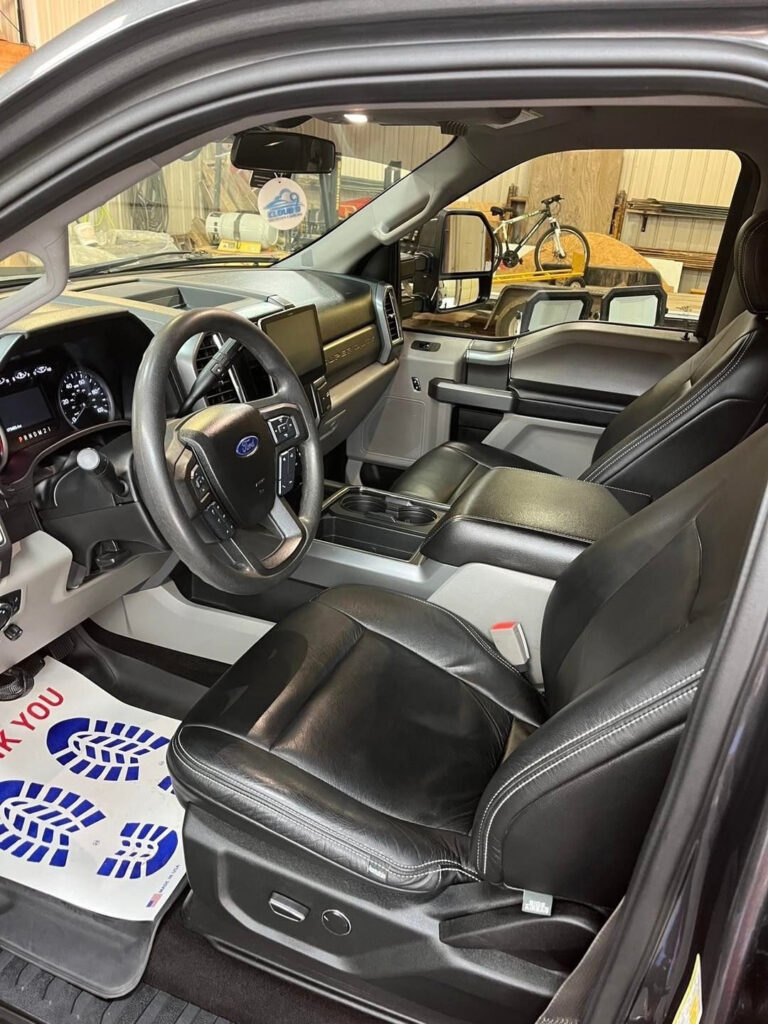
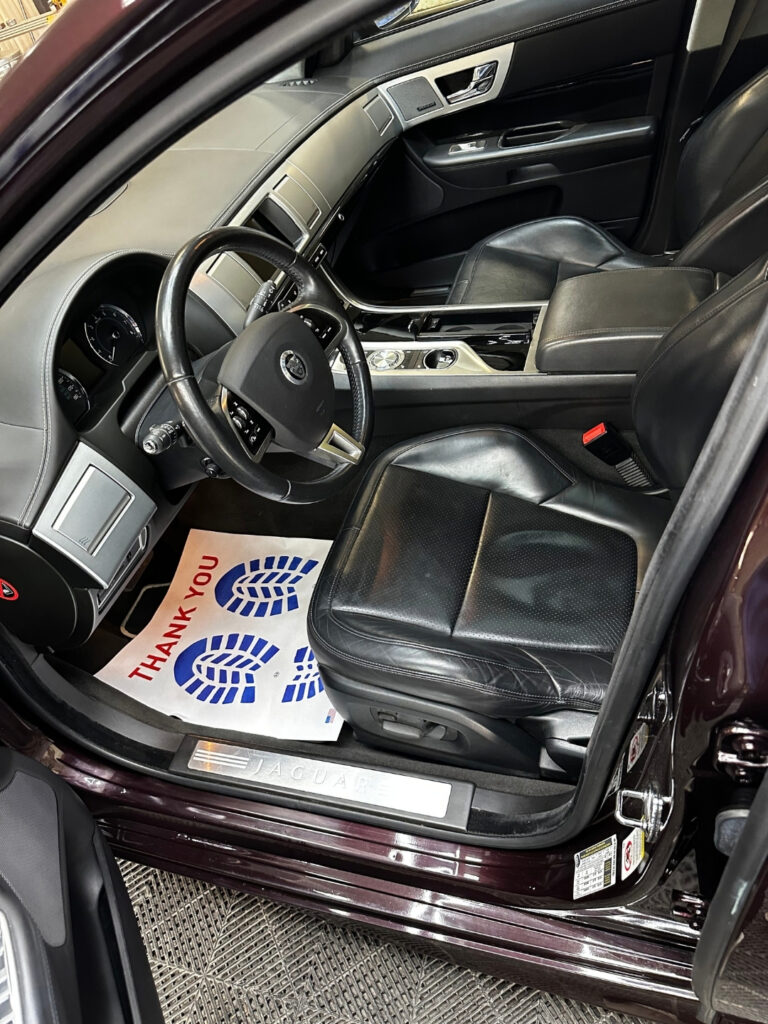
Interior wear is one of the most common things people underestimate before a sale. Months or years of daily use, such as spills, dust, and general wear on seats and carpet, accumulate gradually enough that owners often stop noticing it themselves. A thorough interior cleaning can meaningfully improve how the cabin presents, though results depend on the vehicle’s starting condition; deeply set stains or long-term odor sources may improve without being fully eliminated.
Exterior Presentation
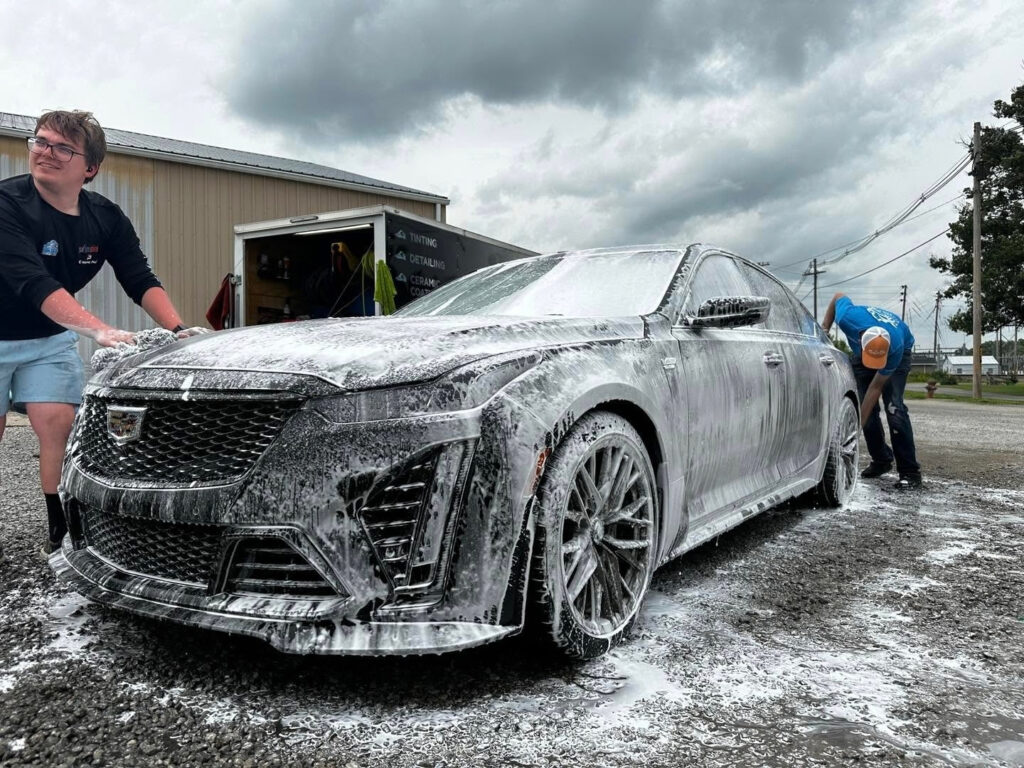
Exterior cleaning, along with waxing and polishing, can restore a level of shine and clarity that daily driving and regular washing don’t maintain on their own. This is often the difference between a car that looks fine and one that looks genuinely cared for in photos and in person, though it’s worth being clear-eyed that detailing addresses surface-level appearance, not underlying paint damage like deep scratches or dents.
Small Areas That Get Overlooked
Door jambs, center console storage, cupholders, and the space under seats are easy to skip during routine upkeep but are exactly the kind of detail-oriented spots that signal thorough care when they’re clean, or neglect when they’re not.
What Detailing Won’t Fix
It’s worth being honest about the limits here, since overselling what a detail can do sets up disappointment. Professional auto detailing is not a substitute for addressing:
- Mechanical issues or maintenance history
- Deep scratches, dents, or structural paint damage
- Odors that have deeply set into padding, carpet backing, or the vehicle’s ventilation system over a long period
- Interior wear like torn upholstery or cracked dashboard plastic
A detail can improve the presentation around these issues, but it doesn’t erase them, and it’s not a guaranteed way to resolve every stain, odor, or imperfection a vehicle has accumulated. Being upfront about this with a potential buyer, rather than trying to mask a known issue, tends to build more trust than it costs.
Don’t Overlook the Interior
Of all the areas that make a difference in a sale or trade-in conversation, the interior is often the one owners most underestimate. If you want a closer look at what interior car detailing covers and how often it’s realistically worth scheduling, that existing guide walks through the specifics in more depth than makes sense to repeat here.
Private Sale vs. Trade-In: Does It Matter?
The short answer is that detailing tends to matter more for a private sale than a dealership trade-in, though it’s rarely wasted effort either way.
Private Sale
Buyers are often comparing your listing against several others, and photos plus an in-person walkthrough are usually the deciding factors before price negotiation even starts. A well-presented vehicle can make a stronger first impression against similar listings.
Trade-In
Dealership appraisers are generally more focused on mechanical condition, mileage, and market data than surface presentation, since most trade-ins go through reconditioning before resale anyway. Detailing still helps the in-person impression, but its practical impact on the appraisal itself is typically smaller than in a private sale.
Neither situation comes with a predictable outcome tied to detailing. How a specific buyer or appraiser responds isn’t something that can be promised in advance, and detailing should be thought of as improving presentation, not as a guaranteed lever on sale price or trade-in value.
Timing It Around the Rest of Your Routine
If you already keep a seasonal or periodic detailing routine, timing a pre-sale detail can overlap with habits you already have, though it’s worth being aware that certain washing habits can undo a fresh detail faster than expected if you’re not careful in the days leading up to a sale or trade-in appointment. Automatic car washes, for instance, can introduce fine swirl marks that dull a freshly polished finish, and parking under trees or near construction can undo an exterior detail within a day or two through sap, dust, or debris.
Weather plays a role too. A detail scheduled right before a stretch of rain, pollen, or road treatment won’t hold its full impact by the time a buyer actually sees the vehicle, so it’s worth thinking about the days between the appointment and the showing, not just the appointment itself. If you’re not able to control exactly when a buyer or appraiser will see the car, minimizing driving and choosing covered or garage parking in the interim goes a long way toward preserving the work.
It’s also worth deciding early whether you’re detailing once, right before listing or appraisal, or maintaining that level of presentation for a few weeks while you field offers. The second approach usually means lighter maintenance washes in between rather than a single deep detail meant to hold indefinitely on its own.
A Practical Pre-Sale Checklist
If you’re deciding how much to tackle yourself versus bringing in professional help, this is a reasonable way to think through scope:
Area | Worth Addressing Before a Sale |
Interior seats and carpet | Yes, high visibility, high impact |
Odor sources | Yes, often the first thing a buyer notices |
Exterior wash, wax, and polish | Yes, affects photos and first impression |
Door jambs and small storage areas | Worth a pass, signals overall care |
Deep scratches or dents | Address separately if you plan to disclose or repair |
Mechanical issues | Not something detailing addresses |
Common Mistakes to Avoid When Prepping a Vehicle for Sale
A few habits tend to undercut an otherwise solid pre-sale routine:
- Waiting until the last minute: Squeezing a detail in the day before a showing leaves no room for weather, scheduling delays, or a follow-up pass on anything that needs extra attention.
- Masking odors instead of addressing them: Air fresheners can temporarily cover a smell, but an attentive buyer will often notice, and it can read as an attempt to hide something rather than genuine upkeep.
- Skipping the small areas: Door jambs, trunk edges, and under-seat spaces are exactly where an experienced buyer or appraiser looks for signs of neglect, since they’re the first things skipped in a rushed wash.
- Overpromising in the listing description: Describing a vehicle as detailed or like new sets an expectation that the in-person viewing then has to meet. It’s usually safer to let the vehicle’s actual condition speak for itself.
- Not budgeting time for a second look: Some issues, like a lingering odor or a stubborn stain, only become apparent after the first cleaning pass, so building in a little flexibility before your listing goes live or your appraisal is scheduled can be worthwhile.
Setting Realistic Expectations
It’s reasonable to expect that a thorough detail will make a genuine difference in how your vehicle presents to a buyer or appraiser. It’s not reasonable to expect a specific dollar impact on your sale price or a guaranteed faster sale. Those outcomes depend on far more than presentation, including your local market, the vehicle’s overall condition and history, and the price you’re asking. Detailing is one part of putting your best foot forward, not a formula for a particular result.
Getting Help With a Pre-Sale Detail
If it’s been a while since your vehicle had more than routine upkeep, or you want a second opinion on which areas are worth the most attention before a sale or trade-in, Cloud 9 Tint Studio and Auto Spa in Perryville, MO, can help you prioritize based on your specific vehicle’s condition rather than guessing at what matters most.
Frequently Asked Questions
Is it worth detailing an older vehicle before selling it?
Often, yes. Presentation matters at any vehicle age, and a clean, well-maintained appearance can help offset some of the skepticism buyers naturally bring to an older vehicle. Results depend on the vehicle’s overall condition.
Should I detail before or after taking listing photos?
Before. Photos are usually the first impression a buyer forms, so it makes sense to have the vehicle at its best before photographing it rather than after.
Does detailing help with a dealership trade-in appraisal?
It can help the in-person impression, though dealership appraisals typically weigh mechanical condition and market data more heavily than presentation. It’s rarely wasted effort, but expectations should stay realistic.
What if my car has a persistent odor?
A thorough interior cleaning can often reduce odor noticeably, though deeply set sources may not be fully eliminated in one treatment. Being upfront about a known odor issue is generally better than hoping it goes unnoticed.
How far in advance of a sale should I schedule a detail?
Close enough that normal driving and weather don’t undo the work before your buyer or appraiser sees the vehicle. For most owners, a few days to a week ahead is a reasonable window, though your specific timeline may vary.
Ready to Prepare Your Vehicle for Sale?
If you’re getting ready to sell or trade in your vehicle and want guidance on what’s actually worth prioritizing, contact Cloud 9 Tint Studio and Auto Spa at 573-570-4470 to talk through your vehicle’s specific condition and scheduling options.