
Introduction
A boat lives in one of the harshest environments any finished surface will face. Sun, salt, minerals, algae, fuel residue, bird droppings, and constant washing all work against gloss and cleanliness, which is why more owners are asking whether boat ceramic coating is a smart step or just another premium add-on. For many owners, the answer is yes, especially if the boat sits outdoors, runs often, or spends time in saltwater. A properly installed ceramic coating can make routine washing easier, improve gloss, add water repellency, help slow UV-related fading, and give gelcoat or paint a more protected surface. However, it does not make a boat maintenance-free, nor will it hide oxidation, chalkiness, or scratches. The value comes from the full process, with surface correction and careful application doing as much for the result as the product itself. If you are comparing protection options, it makes sense to look at both the site’s Boat Detailing Services page and the main Cloud 9 Tint Studio and Auto Spa services page so the prep and maintenance side of the job stays part of the decision.
What boat ceramic coating does for marine surfaces
A ceramic coating is a liquid-applied protective layer that bonds to a prepared surface and cures into a hard, slick shell. On boats, that usually means gelcoat, painted surfaces, metal trim, and sometimes glass, depending on the product. The coating does not replace common-sense care, but it changes how the surface responds to water, grime, and routine exposure.
In practical terms, boat ceramic coating is about making the surface less eager to hold onto contamination. Salt residue, lake scum, light grime, sunscreen transfer, and airborne fallout tend to release more easily from a coated surface than from an unprotected one. That is why owners often notice the biggest difference not on day one, but on the third, tenth, and twentieth wash.
It also sharpens appearance. A well-corrected hull or topside looks glossier because the cured coating adds clarity and reflectivity over polished gelcoat or paint.
It is protection, not magic.
- easier rinse-off
- slicker surface feel
- stronger gloss perception
- less stubborn spotting
- slower visible weathering between details
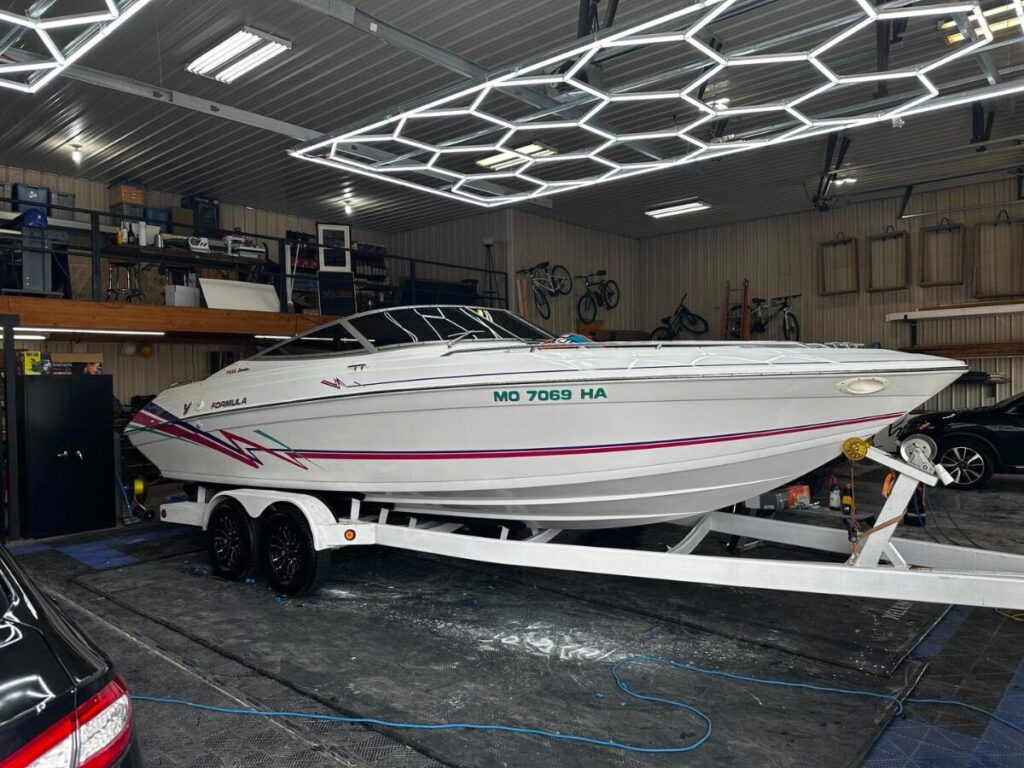
Why boat ceramic coating helps with cleaning, gloss, and UV exposure
Marine conditions are tough because they layer multiple forms of stress at once. Open-ocean seawater averages about 35 parts per thousand salinity, or 3.5% salt. That constant salt exposure leaves deposits that can dry onto surfaces and make cleaning more labor-intensive. Sun is just as relentless, with UV index ratings of 6 to 7 considered high, 8 to 10 very high, and 11 or more as extreme. Boats stored outside often see that exposure day after day.
A coating helps because it reduces direct contact between contaminants and the underlying finish. Water tends to bead or sheet away more effectively, which means fewer deposits stay behind after rinsing. That matters on dark hulls, black trim, and glossy gelcoat where spotting and dullness show up fast.
That is the right way to think about it. Boat ceramic coating supports easier upkeep, but it still needs washing and periodic inspection.
- Easier cleaning: Salt, film, and organic residue usually release with less scrubbing.
- Water behavior: Beading and sheeting help reduce standing water and spotting.
- Gloss retention: A slick, clear surface tends to hold a freshly detailed look longer.
- Surface resistance: Light chemical exposure, bird waste, and wash marring are easier to manage.
- UV buffering: The coating adds a sacrificial layer between sunlight and the finish below.
If your main goal is a boat that looks cleaner between washes and takes less effort to maintain, those benefits are where the value becomes obvious.
Boat ceramic coating vs wax for marine protection
Wax still has a place. It is accessible, lower in upfront cost, and can brighten a finish quickly. The difference is that wax sits on the surface as a softer, shorter-lived sacrificial layer. Ceramic coatings are designed to bond more tightly and last longer when the prep and maintenance are right.
Here is the simplest side-by-side view:
| Feature | Ceramic Coating | Marine Wax |
| Durability | Longer-term protection | Shorter-term protection |
| Water repellency | Strong and consistent | Good at first, fades sooner |
| Cleaning effort | Lower once cured | Often increases as wax wears |
| Gloss retention | Strong over time | Good initial shine |
| UV and chemical resistance | Better overall | More limited |
| Surface prep required | High | Moderate |
| Best use case | Owners who want lasting protection and easier upkeep | Owners who prefer lower upfront cost or frequent reapplication |
Wax can still make sense for a lightly used boat, a seasonal owner, or someone planning a near-term sale who wants a cosmetic lift without paying for correction and coating. Yet if you are tired of repeating the same wash, wax, fade, and wash cycle, boat ceramic coating is often the more sensible long-term option.
Side-by-side comparison of ceramic coating and marine wax on a boat, showing differences in gloss, water beading, durability, and upkeep.
That does not mean every coating is automatically the best choice. The best ceramic coating for boats depends on the surface type, climate, storage conditions, and how willing the owner is to follow maintenance guidance.
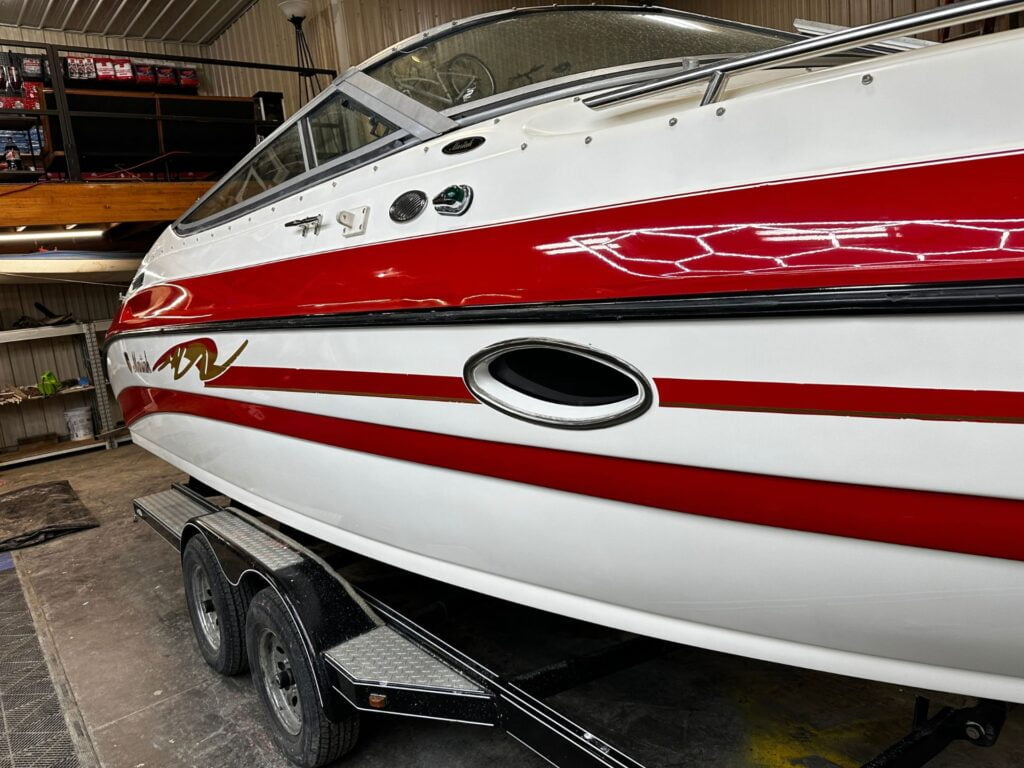
Why surface preparation matters before ceramic coating a boat
This is where results are won or lost.
The coating itself is only part of the outcome. If the gelcoat is oxidized, chalky, stained, or full of embedded contamination, a coating will not fix those problems. It will lock them in and make them more noticeable under fresh gloss. That is why prep work is the most important stage in ceramic coating a boat.
Boats often need more correction than owners expect. Waterline staining, light scuffs, dock rash transfer, old wax residue, mineral spotting, and general oxidation can all interfere with bonding. A clean-looking boat can still be a poor candidate for immediate coating if those issues remain on the surface.
A professional prep process usually follows this order:
- Wash and strip old protection to remove loose grime, salt, and previous waxes or sealants.
- Decontaminate the surface to pull embedded residue that normal washing leaves behind.
- Correct oxidation and polish so the finish is clean, glossy, and ready to bond.
- Panel wipe and controlled application so the coating cures on a properly prepared surface.
That sequence matters because ceramic coating a boat over oxidation or leftover wax can reduce durability and create an uneven finish. Owners sometimes focus on the brand name of the coating, but prep quality usually has a bigger effect on how the boat looks six months later.
This is also why lower-price quotes can be misleading. If the service skips proper decontamination or polishing, the coating may still go on, but the result is unlikely to reflect what owners expect when they hear terms like “mirror gloss” or “long-term protection.”
When boat ceramic coating is worth the investment
The value is strongest when the boat sees real exposure and regular use. A trailer boat stored outside, a center console that spends weekends in the water, a dark-colored hull, or a family boat that gets frequent wash-downs can all benefit in a very practical way. In these cases, boat ceramic coating is less about luxury and more about reducing ongoing labor while protecting appearance.
It also makes sense for owners who already care about presentation. If you have invested in oxidation removal, compounding, polishing, or full detailing, protecting that corrected finish is logical. Leaving polished gelcoat bare often means the shine starts sliding backward sooner than expected.
The best ceramic coating for boats is not always the thickest-sounding formula or the one with the boldest marketing claims. It is the one matched to the boat’s materials, the owner’s use pattern, and a realistic maintenance plan.
A coating may be a strong fit if any of these sound familiar:
- outdoor storage most of the year
- frequent saltwater use
- dark gelcoat that shows spotting fast
- regular wash-downs after weekend trips
- owners who want less scrubbing and longer-lasting gloss
There are limits, though. Coatings do not prevent impact damage, stop dock strikes, or erase neglected oxidation. They are also not a substitute for proper washing tools and methods. If the boat is washed with harsh brushes or left with heavy salt buildup for long periods, the finish will still suffer.
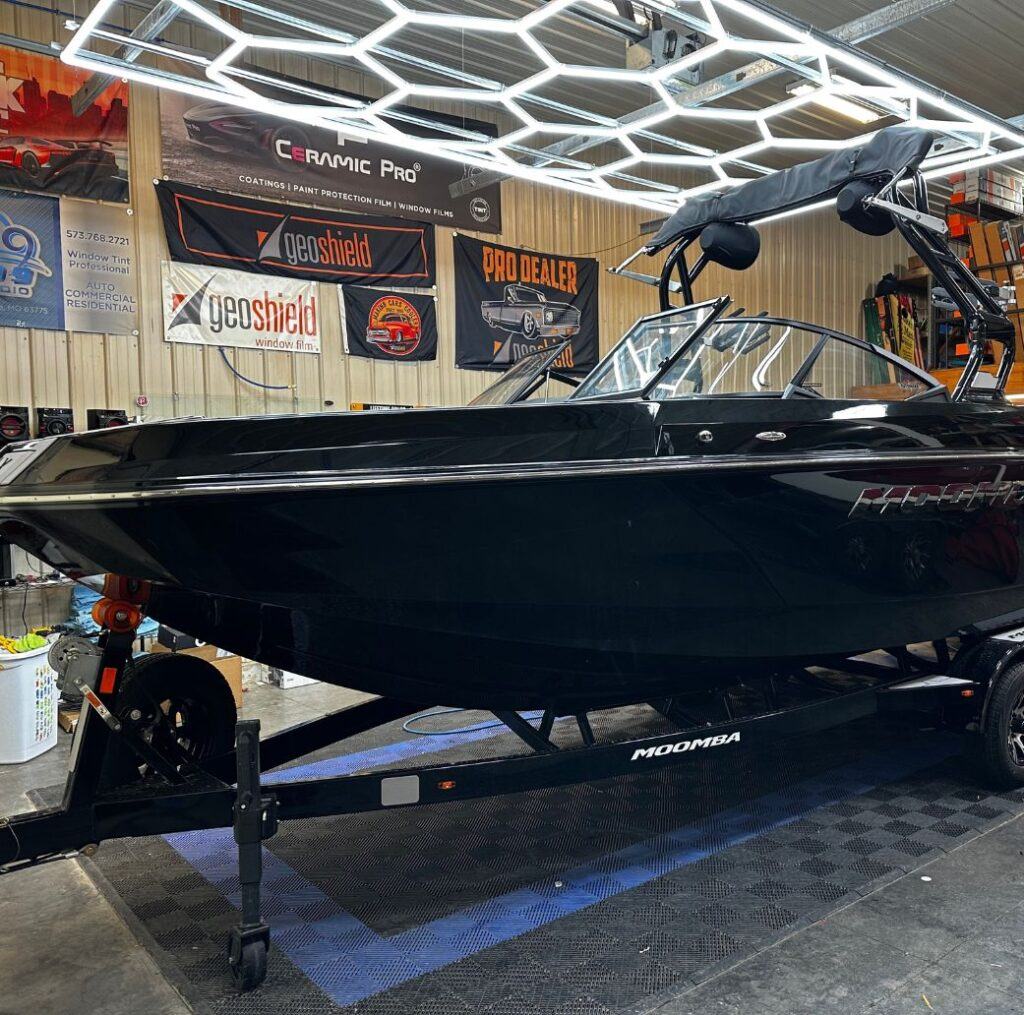
How to judge the best ceramic coating for boats and the right installer
Product choice matters, but installer discipline matters more. When owners ask about the best ceramic coating for boats, the more useful question is often, “What prep is included, and how is the coating being applied?” A strong service should explain what gets washed, decontaminated, polished, and protected, along with how long the boat should stay dry after application.
This is where a professional service becomes easier to justify. An experienced marine detailer can evaluate gelcoat condition, determine whether polishing is needed before coating, and recommend a realistic maintenance schedule afterward. If you are comparing options, the site’s Boat Detailing Services page is the natural place to review the marine side of the offering before booking.
A smart conversation with an installer should cover these points:
- Surface condition: Is the boat ready for coating now, or does it need oxidation removal first?
- Included prep: Does the service include decontamination and machine polishing?
- Protected areas: Will the coating go on gelcoat only, or also glass, metal, and trim?
- Aftercare: What washing method and maintenance products are recommended?
- Expected lifespan: What is realistic in your climate and storage conditions?
When those answers are clear, the decision gets easier. Owners are no longer buying a buzzword. They are choosing a protection system with a visible finish upgrade, easier maintenance, and a more durable path to keeping the boat looking polished through real-world use.
Frequently Asked Questions About Boat Ceramic Coating
1. What is boat ceramic coating and how does it work?
- Boat ceramic coating is a liquid polymer applied to the exterior surfaces of a boat. Once cured, it forms a durable, hydrophobic layer that bonds with the gelcoat or paint. This protective barrier helps repel water, salt, dirt, and contaminants, making cleaning easier and preserving the boat’s shine.
2. How long does ceramic coating last on a boat?
- With proper surface preparation and professional application, a high-quality boat ceramic coating can last anywhere from 1 to 3 years, sometimes longer. Longevity depends on the product used, how often the boat is used, and the environmental conditions it faces.
3. Does ceramic coating a boat eliminate the need for waxing?
- Yes, ceramic coating replaces the need for traditional waxing. It provides a longer-lasting and more resilient layer of protection compared to wax, which typically wears off much faster and requires frequent reapplication.
4. Will ceramic coating protect my boat from scratches and oxidation?
- While boat ceramic coating offers some resistance to minor scratches and helps slow down oxidation, it does not make the surface scratch-proof or restore already damaged areas. Proper surface correction before application is essential for the best results.
5. Is ceramic coating suitable for all types of boats?
- Ceramic coating is suitable for most fiberglass, gelcoat, and painted surfaces. It is especially beneficial for boats that are frequently exposed to sun, saltwater, or harsh weather conditions. However, it’s important to consult with a professional to ensure compatibility with your specific boat.
6. Can I apply ceramic coating to my boat myself?
- While DIY ceramic coating kits are available, professional application is highly recommended. Proper surface preparation, including cleaning and correcting imperfections, is critical to achieving the best protection and finish.
7. How does ceramic coating compare to other protection options like wax or sealants?
- Ceramic coating offers superior durability, gloss, and hydrophobic properties compared to wax or traditional sealants. It lasts much longer, requires less maintenance, and provides better resistance to UV rays, salt, and contaminants.
8. What maintenance is required after ceramic coating a boat?
- Routine washing with gentle, pH-neutral soap is recommended to maintain the coating’s effectiveness. Avoid abrasive cleaners or brushes, and consider periodic inspections to ensure the coating remains intact.
9. Is boat ceramic coating worth the investment?
- For many boat owners, especially those who value easier maintenance, enhanced appearance, and long-term protection, investing in the best ceramic coating for boats is well worth it. The benefits often outweigh the initial cost, particularly when professionally applied.
How to Get Started
Beginning your marine detailing journey is easy with the dedicated team at Cloud 9 Tint Studio & Auto Spa. We use only premium marine-grade products and advanced detailing tools to clean, polish, and protect every part of your boat. Our experts take the time to evaluate your vessel’s unique needs and recommend the ideal service package—whether you’re seeking a seasonal refresh or the ultimate protection with boat ceramic coating.
With our experience and commitment to excellence, you’ll enjoy a boat that turns heads and stays protected through every season. Proudly serving Perryville, MO, and the surrounding communities, Cloud 9 Tint Studio & Auto Spa makes scheduling your detailing service simple and stress-free. Let us show you the difference that professional care and the best ceramic coating for boats can make. Contact us today to get started!
Visit us at: Cloud 9 Tint Studio and Auto Spa
111 South West St, Perryville, MO 63775
See our work: cloud9tintstudioandautospa.com
Call us: 573-570-4470
Connect with us:
Facebook
Instagram