
Interior car detailing at Cloud 9 Tint Studio and Auto Spa covers the cleaning, conditioning, and restoration of everything inside the cabin — seats, carpets, dash, console, door panels, vents, and glass — rather than just a quick vacuum and wipe-down. Most vehicle owners benefit from a full interior detail somewhere between every three and six months, though the right interval depends on how the vehicle is used, who rides in it, and how much daily wear the interior takes on.
If you’ve never had your car’s interior professionally detailed, it’s reasonable to wonder what you’re actually paying for beyond what a home vacuum and a bottle of glass cleaner can do. The honest answer is that a thorough interior detail goes further than routine upkeep, but how far — and how often it’s needed — depends on your specific vehicle and habits.
What Interior Detailing Actually Includes
A proper interior detail at Cloud 9 Tint Studio and Auto Spa is built around a few core zones, and understanding them helps you judge whether a specific service is thorough or just cosmetic.
Seats and Upholstery
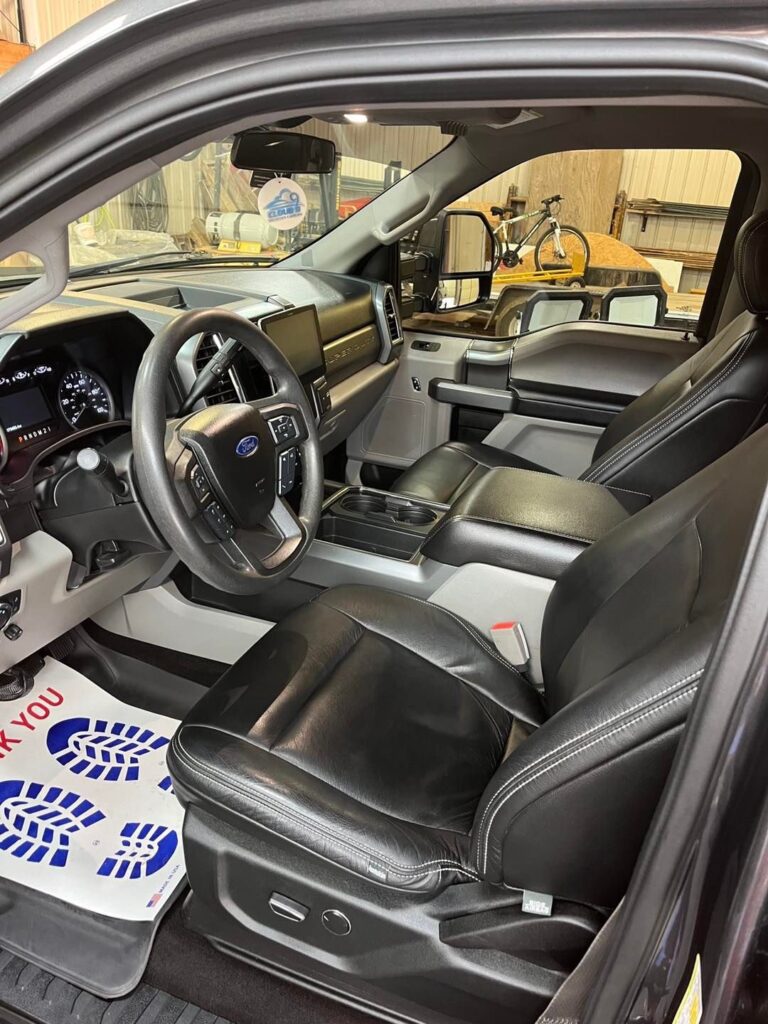
Cloth seats accumulate dust, body oils, and ground-in debris that a surface vacuum doesn’t reach. Detailing typically involves deeper extraction cleaning that lifts debris out of the fibers rather than just off the top. Leather or leatherette seats need a different approach entirely — cleaning followed by a conditioner appropriate to the material, since the wrong products can dry out or discolor leather over time.
Carpets and Floor Mats
Floor carpet holds onto grit, road salt residue, and moisture longer than most people expect, especially under floor mats. A detail should include pulling the mats, vacuuming and treating the carpet underneath, and addressing any staining rather than just running a vacuum over the visible surface.
Dash, Console, and Trim
Interior plastics and trim collect dust and can develop a hazy or faded look from UV exposure through the windshield. Detailing usually includes cleaning and conditioning these surfaces, along with vents, cupholders, and other small spaces that trap debris.
Glass
Interior glass gets a different treatment than exterior glass, since it collects a film from off-gassing plastics and everyday use that ordinary glass cleaner doesn’t always fully remove. Streak-free interior glass makes a noticeable difference for visibility, particularly during low sun angles.
Odor Treatment
If a vehicle has picked up persistent odors — from spills, smoke, pets, or moisture — interior detailing can address the source rather than masking it with air fresheners, though results depend on how deeply the odor has set into fabric, padding, and carpet backing.
Interior Detailing vs. Cleaning It Yourself
There’s nothing wrong with a Saturday spent vacuuming and wiping down your own car, and for a lot of routine upkeep, that’s genuinely sufficient. Where a professional interior detail from Cloud 9 Tint Studio and Auto Spa tends to add real value is in three areas:
- Deeper extraction for seats and carpet that goes beyond what a household or gas-station vacuum can pull out.
- Material-specific treatment, especially for leather, which can be damaged by generic all-purpose cleaners.
- Time and reach, since properly detailing every vent, seam, and crevice in a vehicle takes longer than most people are willing to spend on a weekend.
If you’re weighing whether detailing or a standard wash makes more sense for where your vehicle is at right now, it’s worth reading through how detailing compares to a standard car wash, since the two serve different purposes and aren’t really interchangeable.
How Often Should You Detail Your Interior?
There’s no single correct interval — it depends on how the vehicle is used. A few reference points can help:
| Vehicle Situation | Reasonable Interior Detailing Interval |
| Daily commuter, no kids or pets | Every 4–6 months |
| Family vehicle with kids and/or pets | Every 2–3 months |
| Work vehicle carrying tools, equipment, or work gear | Every 2–3 months, or as buildup becomes noticeable |
| Vehicle used occasionally / weekend driving | Every 6–12 months |
| Before selling or trading in | Once, shortly before the vehicle changes hands |
These are general starting points rather than fixed rules — a vehicle that sees a lot of fast food wrappers, muddy boots, or wet dog fur is going to need attention sooner than one that mostly makes quiet trips around Perryville and back.
Signs You’re Overdue
A few practical signals suggest it’s time, regardless of the calendar:
- Visible staining on seats or carpet that doesn’t come out with a quick wipe.
- A persistent odor that lingers with the windows down.
- Dust buildup in vents that you can see or feel when the air is running.
- Dashboard or trim looking dull or hazy under direct light.
What to Expect From a Professional Interior Detail
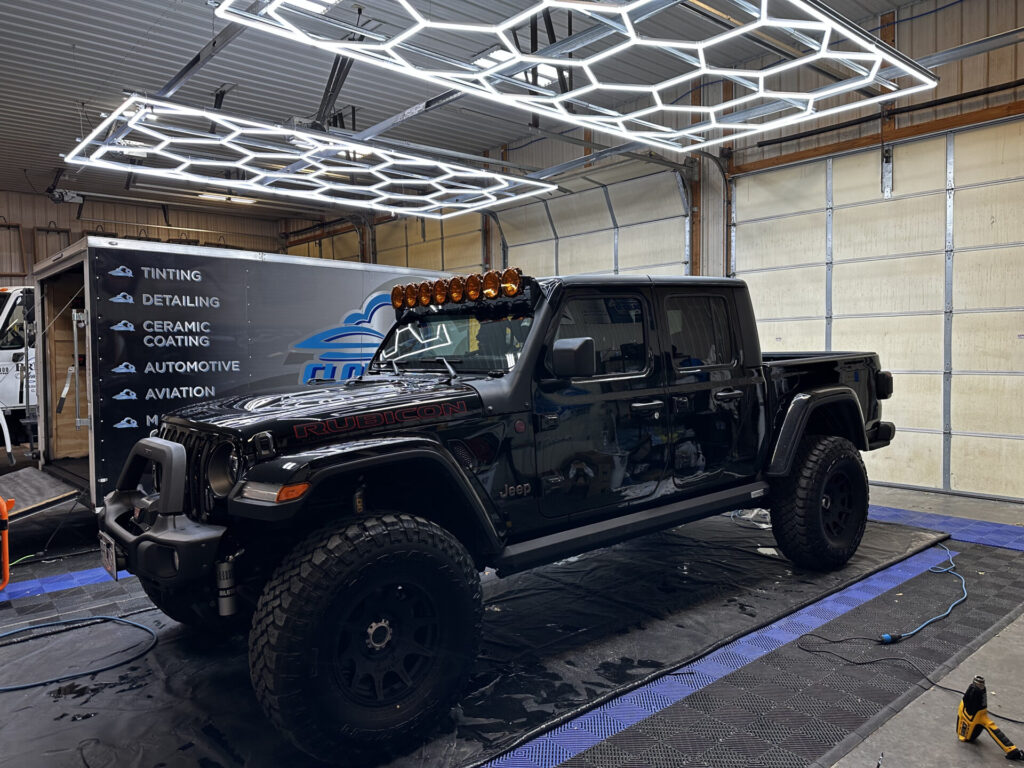
Every provider structures their process a bit differently, and the exact steps, products, and add-ons offered can vary — that’s a detail worth confirming directly with whoever is doing the work. In general, though, a thorough interior detail at Cloud 9 Tint Studio and Auto Spa follows a logical order: removable items come out first (mats, seat covers, anything loose), loose debris gets vacuumed and removed, then surfaces are treated zone by zone — upholstery, carpet, hard trim, vents, and glass — before a final inspection.
If your vehicle regularly carries passengers, kids, work gear, or pets, or if it’s been a while since the interior has had more than a quick vacuum, a professional auto detailing service can address buildup that’s accumulated over months rather than trying to catch up all at once with home products.
A Simple Interior Detailing Checklist
If you want to gauge whether a detail (professional or DIY) covered the basics, this checklist is a reasonable benchmark:
- Seats vacuumed/extracted, including seams and under headrests.
- Carpet vacuumed with mats removed, not just around them.
- Dash, console, and door panels wiped and conditioned.
- Vents cleaned of visible dust.
- Cupholders and small storage areas cleared of debris.
- Interior glass cleaned streak-free.
- Any noticeable odor addressed, not just masked.
Building It Into a Broader Maintenance Routine
Interior detailing works best as part of a routine rather than a one-time fix, especially if you’re trying to keep a vehicle looking and feeling good for years of ownership. Pairing interior attention with a seasonal look at the exterior — since Missouri and Illinois weather swings bring their own set of paint and finish considerations — tends to keep a vehicle in noticeably better shape than addressing the interior and exterior on separate, unrelated schedules.
What Affects How Long an Interior Detail Takes
Two vehicles of the same make and model can require very different amounts of work depending on their condition, which is part of why interior detailing doesn’t follow a one-size-fits-all timeline. A few factors that typically affect scope:
- Vehicle size and seat configuration. A three-row SUV simply has more surface area, more seats, and more crevices than a compact sedan, which adds time regardless of condition.
- How soiled the interior already is. A vehicle that’s had occasional spills and light dust accumulates less than one that’s carried muddy work boots, wet dog fur, or spilled drinks repeatedly without being addressed in between.
- Material type. Leather and leatherette generally require a cleaning-then-conditioning process, while cloth upholstery relies more on extraction. A mixed-material interior (leather seats, cloth headliner, vinyl trim) means multiple processes in one visit.
- Whether odor treatment is needed. Addressing a lingering odor at its source, rather than just cleaning visible surfaces, adds meaningful time to the process.
- Add-on requests. Some owners ask for extras like fabric protectant application, engine bay cleaning, or headliner cleaning alongside the standard interior scope, which extends the appointment.
None of this means a longer detail is automatically a better one — it simply reflects that interior condition varies a lot from vehicle to vehicle, and a provider assessing your car in person at Cloud 9 Tint Studio and Auto Spa will generally give a more accurate sense of scope and time than a generic estimate.

Simple Interior Maintenance Between Professional Details
A professional detail resets the interior, but a few simple habits help stretch the time between visits and keep buildup from compounding:
- Vacuum weekly or biweekly, focusing on seat seams, under seats, and floor mats rather than just open carpet areas.
- Wipe down hard surfaces (dash, console, door panels) with a microfiber cloth and a mild, interior-safe cleaner rather than glass cleaner or household all-purpose spray, which can leave residue or affect certain finishes over time.
- Address spills immediately rather than letting them dry, since fresh spills are almost always easier to treat than set-in stains.
- Use a trash bag or small bin to prevent loose wrappers and receipts from working into seat seams and under mats.
- Crack windows briefly on dry days when the vehicle is parked, if safe to do so, to reduce trapped humidity that can contribute to musty odors over time — though this obviously isn’t practical in every climate or security situation.
These habits won’t replace a deeper professional service, but they meaningfully reduce how much buildup accumulates between visits, which can make each professional detail faster and less intensive.
Frequently Asked Questions
Is interior detailing worth it for an older vehicle?
It can be, particularly if the goal is comfort and cleanliness rather than resale. Results depend on how much wear and staining has built up over time — some conditions respond well to treatment, while long-set stains or odors may only partially improve.
Can interior detailing remove smoke odor?
It can meaningfully reduce smoke odor in many cases, especially when combined with fabric and carpet treatment, but deeply embedded odor in padding or headliner material may require more than one treatment, and results aren’t guaranteed to be complete.
Will detailing damage my leather seats?
Professional detailing at Cloud 9 Tint Studio and Auto Spa typically uses products suited to leather rather than generic cleaners, which is one of the main risks of DIY leather care. Ask directly what products are used if you have concerns about a specific leather type or finish.
How long does an interior detail take?
Time varies by vehicle size, condition, and the scope of work requested — a heavily soiled interior or a full extraction takes longer than routine upkeep. It’s reasonable to ask for a time estimate before scheduling.
Should I detail before or after a road trip?
Either can make sense. Detailing before a trip gives you a clean starting point; detailing after addresses the buildup from extended time in the vehicle. Some owners do both.
Do I need to remove personal items before a detail?
It’s a good idea to remove valuables and anything you don’t want handled, though most providers will move loose items as needed to clean underneath and around them.
How does interior detailing differ from a full detail?
A full detail typically covers both interior and exterior work, while interior detailing focuses only on the cabin. Which makes sense depends on whether the exterior also needs attention.