
Paint protection film has been around long enough to attract a fair amount of misinformation: some of it outdated, some of it exaggerated by marketing, and some of it just misunderstood. If you’re researching PPF for the first time, it’s worth separating what’s actually true from what’s become repeated folklore, since a decision this size deserves accurate information rather than assumptions. Below are the misconceptions that come up most often, along with a straightforward, qualified explanation of what’s actually true for each one at Cloud 9 Tint Studio and Auto Spa.
Why So Many Myths Persist About PPF
A lot of the confusion traces back to how much the product itself has changed over the years. Early film generations had real limitations, including more visible seams, more noticeable yellowing over time, and less flexibility around curves, and some of that reputation has stuck around even as the film technology has generally improved. Marketing on both ends, from installers overselling capabilities and skeptics dismissing the product entirely, hasn’t helped.
When looking at vehicle protection in Perryville, MO, or surrounding areas like Cape Girardeau and Ste. Genevieve, understanding modern film capabilities helps owners make informed decisions for their daily drivers and specialized vehicles alike.
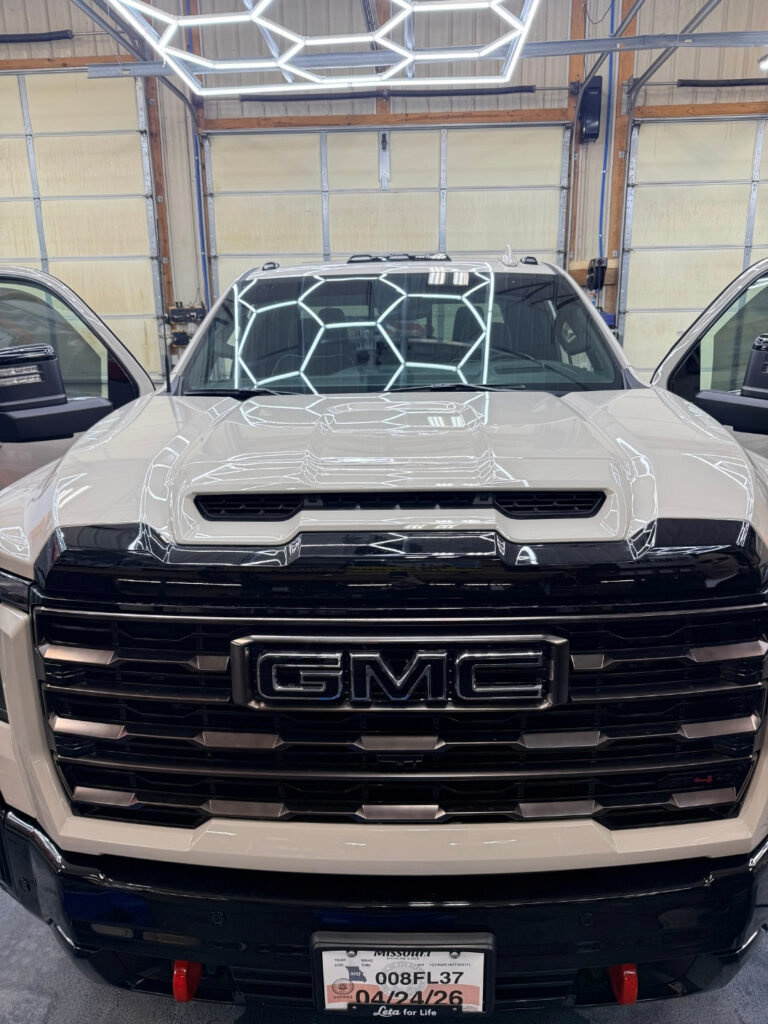
Myth: PPF Makes Your Car Invincible
This is probably the most common misconception. Paint protection film is designed to reduce the risk and severity of certain kinds of damage, primarily from rock chips, road debris, and minor abrasion, not to make a vehicle immune to damage altogether. A hard enough impact can still chip or tear film, and it won’t help with damage from collisions, deep scratches from keys or sharp objects at the wrong angle, or anything beyond its intended purpose. Thinking of it as risk reduction, rather than a guarantee, sets more realistic expectations from the start.
Myth: All Paint Protection Film Performs the Same
Film quality, thickness, and construction vary across manufacturers and product lines, and installation quality matters just as much as the film itself. Two vehicles with “PPF” installed can have meaningfully different results depending on the specific film used and how carefully it was applied. This is a genuine variable worth asking about during any consultation at Cloud 9 Tint Studio and Auto Spa, rather than assuming all film is interchangeable.
Myth: PPF Always Turns Yellow Over Time
Yellowing was a more common issue with older generations of film, particularly with extended UV exposure, and that reputation has carried forward even though film formulations have generally improved. Modern film is generally more resistant to yellowing than older products, though resistant isn’t the same as immune. Environmental exposure, film quality, and time all still play a role, and no film should be assumed permanently immune to any change in appearance.
Myth: Self-Healing Film Means It Repairs Any Damage
Some paint protection film is designed with a self-healing top layer that can smooth out light swirl marks and fine scratches, typically with the help of heat from sunlight or warm water. This is a real property of certain films, but it applies to minor surface-level marks, not deeper cuts, tears, or rock chip damage. It’s a helpful feature within its actual scope, not a reason to assume the film repairs itself from anything.
Myth: PPF Is Permanent and Can’t Be Removed
Paint protection film is designed to be removable by a professional without damaging the paint underneath, assuming it was installed correctly and hasn’t been left on well past its practical lifespan. This makes it a meaningfully different commitment than something permanent: it can be removed, replaced, or adjusted later if your needs change.
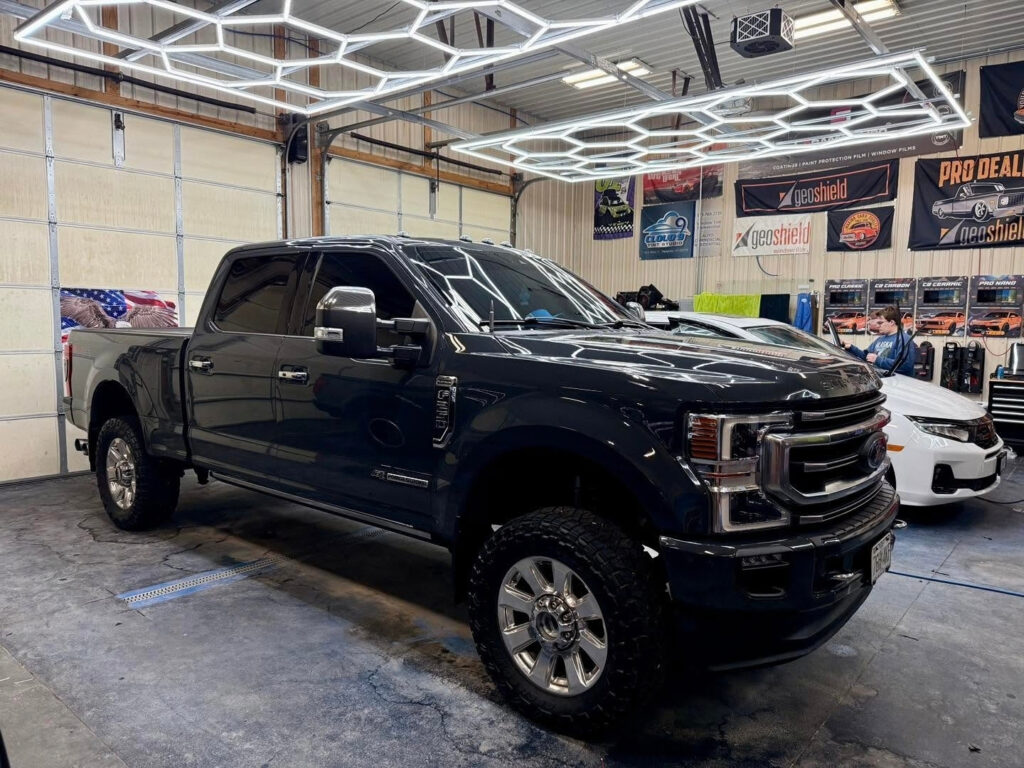
Myth: Once You Have PPF, Washing Technique Doesn’t Matter
If anything, washing technique matters just as much with film installed, since improper washing can affect film edges, seams, and overall appearance over time in ways that are different from bare paint. Film isn’t a reason to be less careful about washing habits. It’s worth caring for film once it’s installed with the same attention you’d give the rest of your vehicle’s finish. Knowing how caring for your vehicle after paint protection film installation works ensures the film holds up over the long haul.
Myth: PPF Is Only Worth It for Expensive or Exotic Cars
Paint protection film is applied to a wide range of vehicles for a wide range of reasons: not just exotic cars, but daily drivers, work vehicles that see a lot of road exposure, leased vehicles where owners want to protect against wear charges, and vehicles owners simply plan to keep for a long time. Whether it’s worth it depends more on how the vehicle is used and how long you plan to keep it than on the vehicle’s price tag.
Myth: Professional Installation Doesn’t Really Matter
DIY film kits exist, but installation quality has a significant effect on how film performs and how it looks. Bubbling, lifting edges, and visible seams are far more common with inexperienced or rushed installation than with professional work. Given that film is meant to last for years, installation quality is one of the areas least worth cutting corners on.
Myth: PPF Prevents Rust or Corrosion
Paint protection film is designed to protect the painted surface it’s applied to, not to serve as rust prevention. If moisture, road salt, or debris gets underneath the film through a damaged edge, a poor seal, or an area the film doesn’t cover, it can actually trap that moisture against the surface rather than shedding it, which is part of why installation quality and proper edge sealing matter so much. Film should be thought of as surface protection against specific types of damage, not a general corrosion-prevention product.
Myth: You Can’t Wax, Polish, or Ceramic-Coat Over Film
Film is generally compatible with additional surface care, though the right approach depends on the specific film and product being used, which is worth confirming with whoever installed it rather than assuming. Aggressive polishing compounds meant for bare paint aren’t necessarily appropriate for film, since the surface characteristics differ. This is a detail worth asking about directly rather than guessing, since the wrong product or technique could affect how the film looks or performs.
How to Evaluate Claims When You’re Shopping Around
Given how much misinformation circulates, a few habits help when comparing options or evaluating what an installer tells you:
- Ask what specifically is covered under warranty, and get it in writing rather than relying on a verbal summary of what the film typically does.
- Ask about the installer’s experience with your specific vehicle type, since panel shapes and curves vary significantly and affect how difficult a clean installation is.
- Be skeptical of absolute language: words like scratch-proof, invisible, or lasts forever are the kinds of claims worth asking follow-up questions about rather than taking at face value.
- Ask what happens if something goes wrong, such as bubbling, lifting, or discoloration, and whether that’s covered, and by whom.
None of this is about assuming bad faith from installers; it’s about asking the kind of questions that separate a genuinely informed decision from one based on marketing language alone.
Myth: PPF and Ceramic Coating Are the Same Thing
These two are sometimes used interchangeably in conversation, but they’re different products that address different things. Paint protection film is a physical, applied layer that adds real thickness and impact protection against chips and abrasion. Ceramic coating is a chemical treatment that bonds to the paint surface and primarily affects how the surface resists water, dirt, and light surface contaminants, without adding meaningful physical thickness or impact protection.
Confusing the two can lead to unrealistic expectations either way: expecting a coating to prevent rock chips, or expecting film to affect water beading the way a coating does. Understanding what each product actually does helps clarify what question you’re really trying to answer before you shop around. If you are comparing both options, reviewing auto detailing vs ceramic coating can clarify how protective layers differ from standard corrective detailing.
Myth: PPF Guarantees Your Car Will Be Worth More When You Sell It
It’s reasonable to think that a vehicle in better cosmetic condition could present better to a future buyer, but no specific resale-value outcome can be promised from installing film. Too many other factors, such as the vehicle’s overall condition, mileage, market demand, and how the sale itself is handled, affect resale value for film alone to guarantee a particular result. PPF is better thought of as protecting the condition you already have than as an investment with a predictable return.
What PPF Actually Does
Stripped of the myths, paint protection film’s realistic role is to add a layer of protection against common road hazards like chips, minor abrasion, some staining, and environmental exposure while preserving the paint underneath. It doesn’t eliminate risk, doesn’t require zero maintenance, and doesn’t perform identically across every film type or installer.
Whether it’s the right choice also depends on factors specific to your vehicle and how you use it, which is generally a better starting point than any single myth or marketing claim, in either direction. Understood on those realistic terms, it’s a genuinely useful option for a lot of vehicle owners in the Perryville area, just not the miracle product either the marketing or the skepticism sometimes suggests.
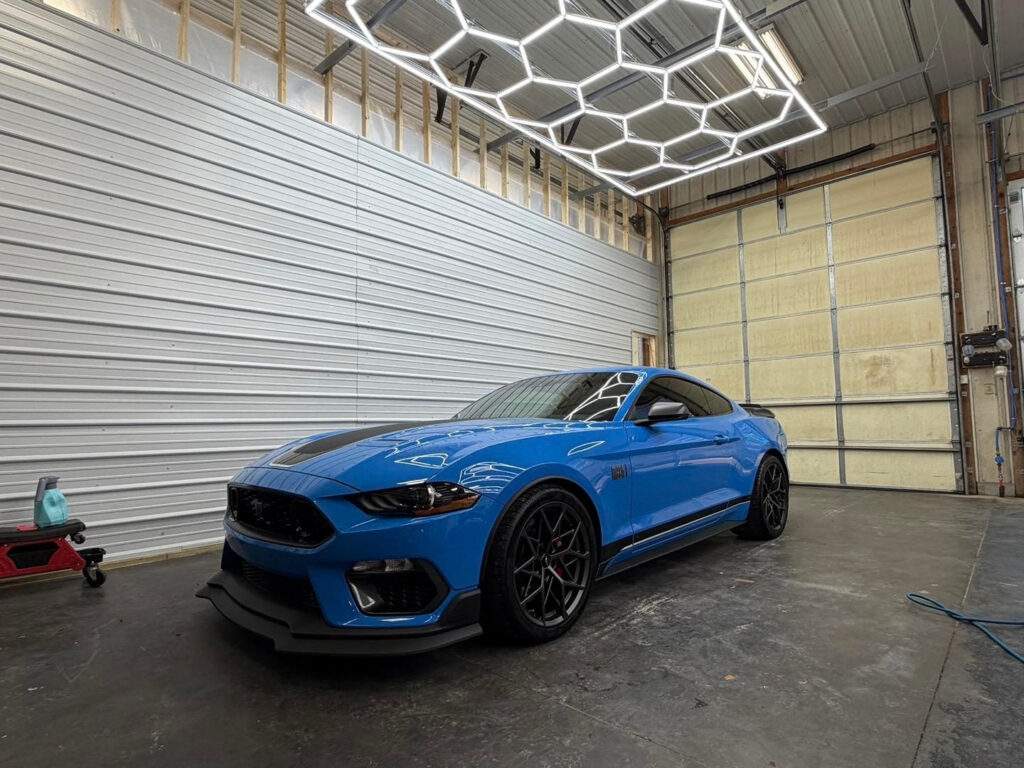
Questions Worth Asking Before You Decide
If you’re weighing whether PPF makes sense for your vehicle, a few questions tend to matter more than brand names or marketing claims: How much of the vehicle do you actually want covered? What are the realistic risks your specific driving conditions expose the vehicle to? And how long do you plan to keep the car?
If you haven’t worked through the coverage question yet, evaluating partial vs full paint protection film coverage walks through the tradeoffs between partial and full coverage in more depth.
Frequently Asked Questions
Does paint protection film really prevent all scratches?
No. It reduces the risk and severity of certain kinds of damage, particularly minor abrasion and rock chips, but it isn’t a guarantee against every type of scratch or impact.
How long does paint protection film typically last?
This depends on the film quality, installation, and environmental exposure, so there’s no single universal answer. It’s worth discussing expected lifespan directly as part of any consultation.
Can paint protection film be removed without damaging the paint?
When installed and removed correctly by a professional, yes. Results can vary if film has been left on significantly past its intended lifespan or was installed improperly.
Is self-healing film worth paying attention to?
It can be a genuinely useful property for minor surface marks, though it’s not a substitute for careful washing habits or protection against deeper damage.
Do I need paint protection film if I already wash my car carefully?
Careful washing habits help either way, but PPF addresses a different category of risk, such as impact and abrasion from driving conditions, that washing technique alone doesn’t prevent.
Have Questions About What’s True for Your Vehicle?
If you’re trying to separate fact from marketing before deciding on paint protection film, contact Cloud 9 Tint Studio and Auto Spa at 573-570-4470, or learn more about Cloud 9’s paint protection film service and what it realistically covers for your vehicle.