
It depends on how the vehicle is actually driven, stored, and maintained — ceramic coating is not automatically worthwhile for every owner, regardless of what marketing materials for the product might suggest. It can be a genuinely good fit for a daily-driven vehicle, but the decision should be based on real ownership factors rather than the assumption that coating is universally beneficial for absolutely any car it’s applied to.
Here’s how to evaluate whether it makes sense for your specific situation, rather than relying on generic marketing claims that would apply the same way to any vehicle regardless of how it’s actually used day to day.
Daily-Driver Exposure Is the Starting Point
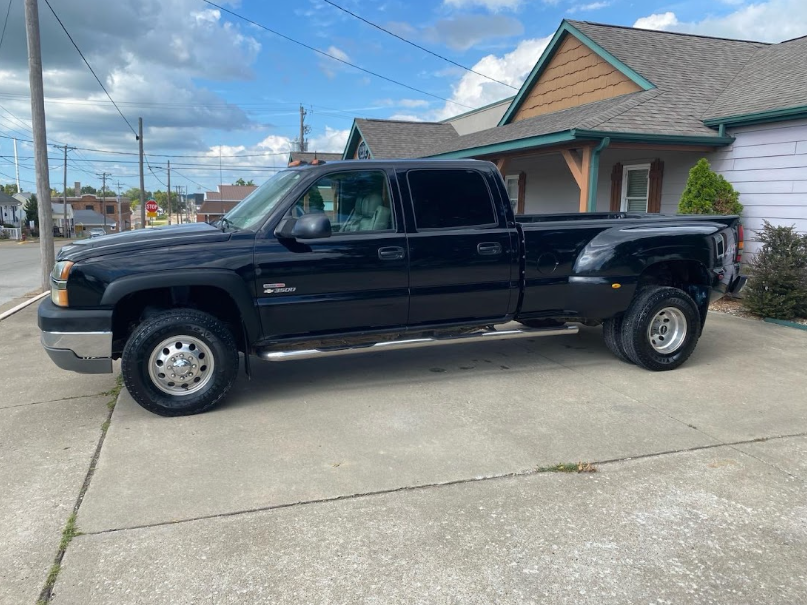
A vehicle driven regularly accumulates dirt, dust, bugs, bird droppings, and road grime simply through normal use — that’s baseline exposure that a show car or weekend vehicle doesn’t experience at the same rate or intensity. Whether that exposure justifies coating depends on how much it actually bothers the owner and how much effort they’re currently putting into managing it through regular washing on their own. An owner who already washes frequently and doesn’t mind the routine may see less practical benefit than one who struggles to keep up with washing between busy weeks.
Where the Vehicle Is Stored Matters
Outdoor parking exposes a vehicle to sun, dust, and precipitation-related contamination like water spotting far more than garage storage does over the course of a year. A daily driver that’s also garage-kept overnight faces meaningfully less cumulative exposure than one parked outside around the clock, which affects how much practical benefit coating actually delivers day to day. This distinction matters more than most coating marketing acknowledges, since the same product can deliver very different real-world value depending purely on where a vehicle spends its downtime.
What Ceramic Coating Genuinely Provides
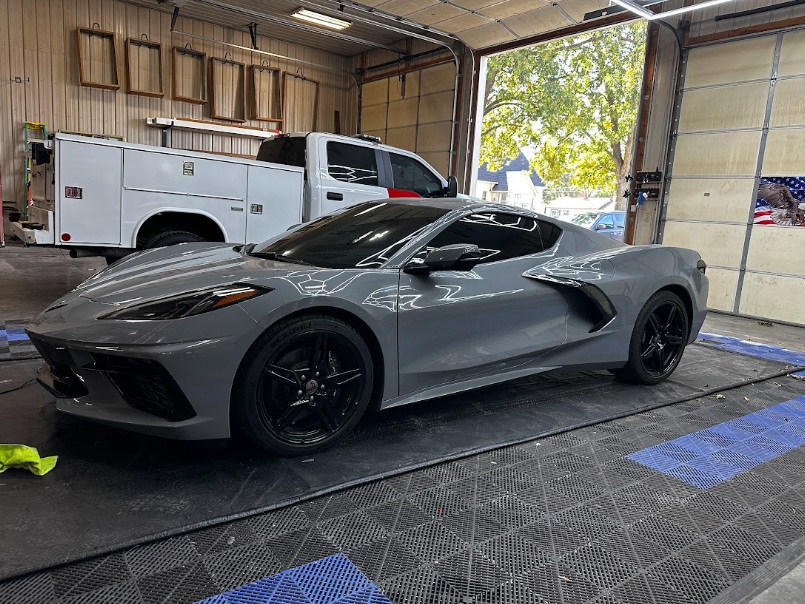
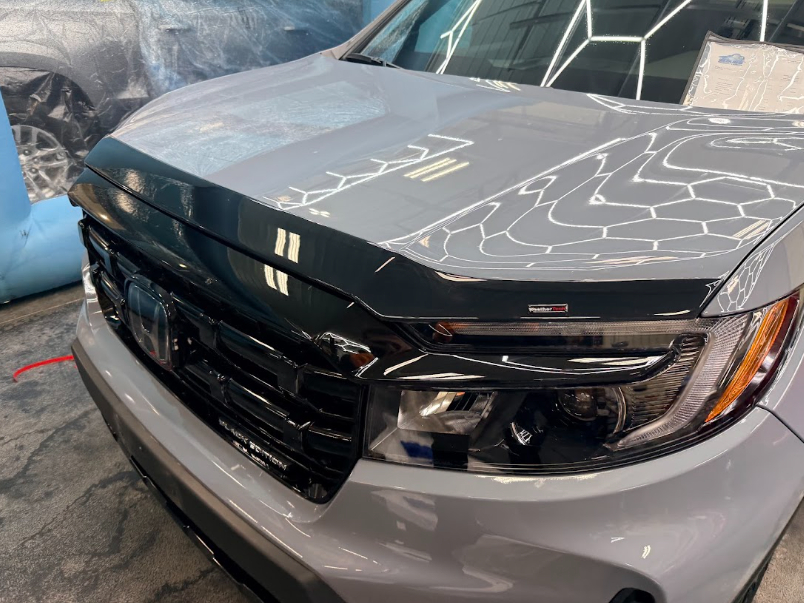
Ceramic coating adds hydrophobic surface behavior, meaning water beads and sheets off more readily during washing, and it can enhance gloss compared to unprotected paint. For a daily driver, the most consistently noticeable benefit tends to be how much less effort routine washing takes once contamination doesn’t bond as tightly to the surface. Cloud 9 Tint Studio & Auto Spa uses XPEL Fusion Plus Ceramic Coating, offered across Bronze (3-year warranty), Silver (5-year warranty), and Gold (lifetime warranty) tiers, with an “Ultimate” version of each that bundles in additional paint correction and a full detail beforehand.
What Ceramic Coating Does Not Do
This is worth being direct about, since it’s the most common source of disappointment among first-time coating customers. Ceramic coating does not stop rock chips — it’s a thin, bonded layer, not a physical barrier with the thickness to absorb an impact from road debris kicked up on the highway. It does not make paint scratch-proof, does not prevent every scratch, and does not eliminate the need for washing or periodic detailing at any point during ownership. A coated daily driver still needs regular care; the coating changes how much effort that care takes, not whether it’s needed at all going forward.
Does Coating Remove Existing Paint Defects?
No. Coating protects whatever condition the paint is already in — it doesn’t correct swirl marks, scratches, or oxidation that exist before application, regardless of how thorough the application process itself is. A daily driver with years of accumulated wear may genuinely benefit from paint correction before coating, since the coating will otherwise lock those existing defects in for its full duration rather than improving the paint’s appearance in any way. Cloud 9 Tint Studio & Auto Spa offers paint correction as its own real, separate hourly service, which is worth knowing since it means correction isn’t automatically bundled into every coating tier — the base Bronze, Silver, and Gold packages don’t include it, though the “Ultimate” version of each does. This is a common point of confusion, since coating does add noticeable gloss — but that added shine sits on top of whatever imperfections were already there, rather than smoothing them out.
Ceramic Coating Decision Factors for Daily Drivers
| Ownership Scenario | Ceramic Coating Consideration | Why |
|---|---|---|
| Daily-driven vehicle | Potentially strong candidate | Regular environmental exposure makes the easier-maintenance benefit genuinely relevant |
| Outdoor parked | Potentially useful | More exposure to contamination than garage-kept vehicles |
| Garage-kept vehicle | Depends on owner goals | Different, generally lower exposure profile |
| Owner wanting zero maintenance | Poor expectation fit | Coating still requires regular washing and care |
| Owner primarily concerned with rock chips | Different protection need entirely | Coating is not impact protection of any kind |
| Owner focused on gloss/easier cleaning | Potentially good fit | Aligns closely with coating’s actual core benefits |
Who May Benefit Most
Owners who drive daily, park outside at least some of the time, and specifically want easier washing and better gloss retention over a multi-year period tend to be the strongest fit for this specific service. The benefit compounds over time — the more a vehicle is exposed to contamination on a regular basis, the more the easier-cleanup advantage actually matters in day-to-day practice rather than as an abstract selling point.
Who Might Not Need It
An owner who rarely drives the vehicle, keeps it garaged consistently, or is primarily motivated by concerns coating doesn’t address — like rock-chip protection or fixing existing scratches — may find that coating doesn’t deliver enough practical value to justify the investment for their particular situation. That’s not a failure of the product; it’s simply a mismatch between what coating actually does and what that specific owner genuinely needs from their vehicle-care routine. Being honest about this mismatch upfront tends to produce better long-term satisfaction than letting an owner assume coating solves a problem it was never designed to address in the first place.
Can You Coat an Older Vehicle?
Yes, generally, though paint condition matters considerably more on an older vehicle than a brand-new one fresh off the lot. A used vehicle with significant existing wear may need correction work first to address defects before coating, since coating won’t improve the paint’s condition on its own — it only protects whatever condition already exists at the time of application, for better or worse. Skipping that evaluation step and assuming an older vehicle is simply “too far gone” for coating, or conversely assuming any vehicle is automatically ready regardless of condition, are both mistakes worth avoiding.
Questions Worth Asking Before Booking
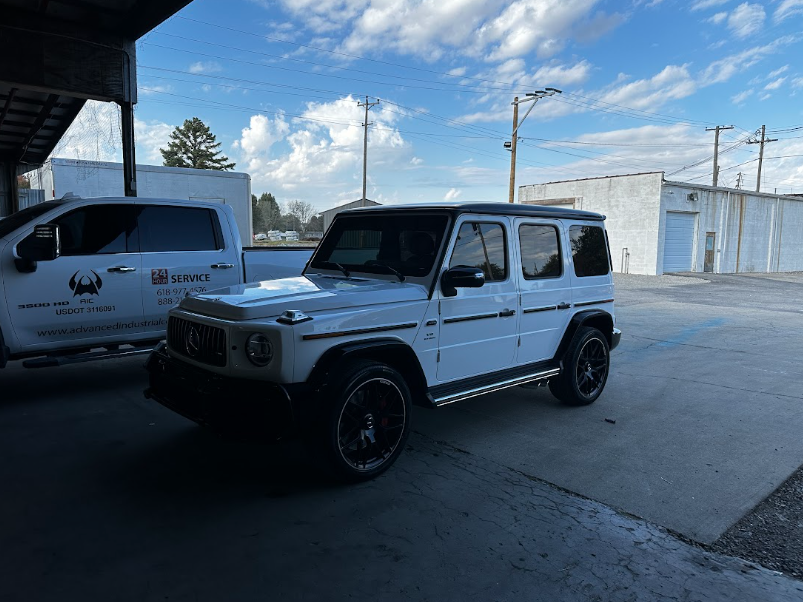
Before committing to coating, it’s worth asking what specific product will be used, what the warranty actually covers and for how long, whether the price includes any paint preparation or correction work beforehand, and what maintenance the coating requires afterward to remain effective throughout its intended lifespan. For Cloud 9 Tint Studio & Auto Spa specifically, the product is XPEL Fusion Plus, the warranty length depends on the tier chosen (3, 5, or lifetime years), and paint correction is a separate line item unless the “Ultimate” version of a tier is selected. It’s also worth asking directly whether the technician has inspected the paint’s current condition, or whether they’re simply quoting a price based on vehicle size without evaluating what’s actually needed.
Asking these questions upfront helps set realistic expectations before any work begins, which tends to matter more for satisfaction with the final result than the specific coating brand or price point chosen. An owner who understands exactly what they’re paying for, and what that investment will and won’t accomplish, is considerably less likely to feel disappointed months later when the coating performs exactly as it was designed to — rather than as an all-purpose solution to every possible paint concern.
Frequently Asked Questions
Is ceramic coating worth it on a daily driver?
It can be, particularly for owners who park outside regularly and want easier washing and better gloss retention. It’s less clearly worthwhile for owners primarily concerned with rock chips or existing scratches, since coating doesn’t address either of those.
Does ceramic coating make a car scratch-proof?
No. Coating adds a protective layer that can help resist some environmental contamination, but it doesn’t make paint immune to scratches from normal contact, careless washing, or road debris.
Does ceramic coating stop rock chips?
No. It’s a thin, bonded chemical layer, not a physical barrier with the thickness to absorb an impact. Rock-chip protection requires a different kind of product entirely, not a surface coating.
Does ceramic coating make washing easier?
Yes, generally. Its hydrophobic behavior helps water and light contamination rinse away more readily, which tends to make routine washing faster and less demanding than it would be on unprotected paint.
Can you ceramic coat an older vehicle?
Yes, though existing paint condition matters. An older vehicle with significant wear may benefit from correction work before coating, since the coating protects existing condition rather than improving it.
Does a coated vehicle still need detailing?
Yes. Coating makes some maintenance easier, but it doesn’t replace regular washing or periodic detailing — the vehicle still needs ongoing care to look its best over the coating’s lifespan.
Is ceramic coating useful for outdoor-parked vehicles?
Yes, this is one of the scenarios where coating’s practical benefits tend to be most noticeable, since outdoor-parked vehicles accumulate more sun exposure, dust, and contamination between washes than garage-kept vehicles typically do.